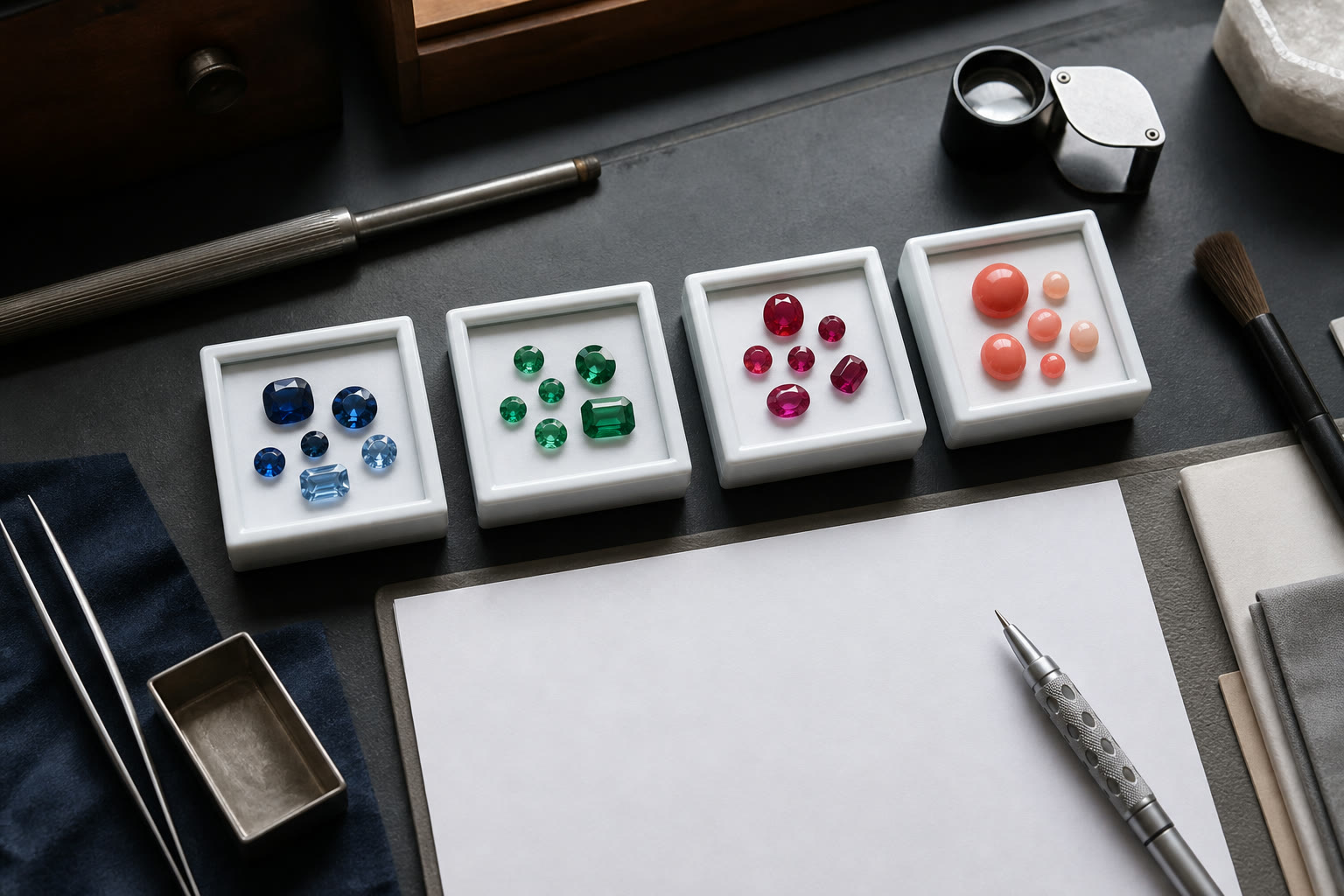
A month can have modern, traditional, and accepted alternate birthstones. Showing every recognized option is more honest than forcing one result, but the final choice still needs practical comparison.
Why one month can have several stones
Birthstone lists developed through religious, historical, regional, and jewelry-industry traditions. Modern lists were standardized for practical use, while older lists and accepted alternatives continued to circulate.
A calculator should identify which list recognizes each option. The word or is not confusion when it reflects a real choice, but the page must show every stone separately with its own image and explanation.
Start with the recipient
Color preference, style, family meaning, cultural tradition, and how the jewelry will be worn can matter more than choosing the most famous option. Ask rather than assuming that a monthly assignment defines taste.
An heirloom or place-related stone may carry personal meaning even when another list is more modern. Symbolic associations should be presented as traditions, not guaranteed powers or personality facts.
Compare durability and setting
Rings and everyday bracelets face more impact and abrasion than pendants or occasional earrings. Gem hardness is useful, but toughness, cleavage, treatments, and setting protection also affect wear.
A delicate stone can still be appropriate in a protective design or less exposed item. Ask a qualified jeweler about the exact material and setting rather than relying on one simplified hardness number.
Natural, laboratory-grown, and treated stones
A stone may be natural, laboratory-grown, synthetic, assembled, dyed, heated, filled, irradiated, or otherwise treated. These facts can affect price, appearance, durability, and care.
Request written disclosure and a clear return policy. Laboratory-grown material can be a thoughtful choice when accurately represented; the problem is misrepresentation, not the manufacturing origin itself.
Care and maintenance
Ultrasonic cleaners, steam, heat, chemicals, sunlight, and sudden temperature change are not safe for every gem. The setting and undocumented treatment can be as important as the named stone.
Use the seller's material-specific guidance and have valuable or inherited pieces inspected before cleaning or repair. Store pieces separately to reduce scratching and keep purchase, treatment, and maintenance records.
Making the final choice
Compare the recognized tradition, preferred color, daily-wear suitability, disclosure, care needs, budget, and seller reliability. A simple table can make the tradeoffs visible without declaring one stone universally best.
For a high-value purchase, seek independent gemological verification. For a modest gift, honest disclosure and personal fit matter more than rarity. The calculator should open the choice, not pressure the visitor toward a product.
Why modern lists contain alternatives
Birthstone traditions developed through different historical, religious, commercial, and regional lists. Modern jewelry associations standardized popular options, but revisions and local customs preserved alternatives. A month can therefore have several recognized stones without one result being an error. The tool should name the list or describe the options instead of joining them with an unexplained or.
Alternatives may reflect availability, color, price, durability, or later additions to a published list. They do not mean every stone has the same history. Present each gem as its own entry with an image, name, material or gem family, common color range, and a note about why it appears for that month.
Choose by use, not only symbolism
A ring worn every day needs different practical qualities from earrings used occasionally or a stone kept as a collectible. Hardness is only one part of durability; cleavage, toughness, treatments, settings, and exposure to heat or chemicals matter. A qualified jeweler can recommend care for the specific material and construction.
Budget and personal preference are valid reasons to choose an alternative. Natural, laboratory-grown, treated, and imitation materials should be described accurately because they are different product categories. A birthstone calculator can introduce the names and traditions, but it cannot authenticate a gem from an icon or user-selected month.
Information every stone entry should show
Give each option a separate heading and visual rather than using one icon for a list of three names. Include its typical colors without implying that all specimens look alike. Add a short tradition note, gemological identity, basic wear guidance, and links to independent educational sources. Avoid unsupported healing or guaranteed-luck claims.
When a stone has a familiar trade name, distinguish it from the mineral species or variety where useful. For example, closely related materials can require different descriptions. Keep the explanation readable and do not turn a cultural lookup into a shopping recommendation unless prices, sellers, and commercial relationships are researched and disclosed.
Buying and caring for a birthstone
Ask for a clear sales description covering whether the stone is natural or laboratory-grown and whether treatments are known. For a significant purchase, request documentation appropriate to the value and use an independent laboratory or credentialed professional when authentication matters. Icons and online photographs cannot establish identity, origin, treatment, or quality.
Follow care guidance for the actual stone and setting rather than a universal cleaning recipe. Ultrasonic cleaners, steam, heat, chemicals, and sudden temperature changes are unsuitable for some gems. Store pieces to reduce scratching and inspect frequently worn settings. The safest birthstone result combines cultural context with enough practical information to support better questions.
Comparing June's three recognized stones
June is commonly associated with pearl, alexandrite, and moonstone. Treat them as three separate options rather than one combined answer: each has a different material identity, familiar appearance, tradition history, durability profile, and care needs.
A month-based lookup needs only the birth month. Compare the stones by color preference, intended jewelry use, care, availability, and budget. A month association does not authenticate a specimen, establish its treatment or origin, or decide which option is best for the recipient.
Keep cultural symbolism separate from medical, spiritual, investment, or guaranteed-luck claims. For a purchase that matters, ask for a complete description and use independent gemological or professional verification appropriate to the item's value.
Keep the tradition and the product separate
The month-to-stone association is cultural information. A specific piece of jewelry is a product with quality, treatment, origin, labor, environmental, and pricing questions that the lookup does not answer. Make that boundary visible so readers do not interpret a traditional match as an endorsement of a seller or specimen.
Offer pronunciation, alternate names, and independent references where they help, but avoid padding every entry with identical personality traits. Quality comes from explaining why multiple options exist and what distinguishes the materials. The result should leave a reader less confused than a bare list, especially in months where three recognized choices appear.
Key takeaway
Multiple recognized stones for one month are valid alternatives, not a confused single answer. Compare each option by gem identity, typical appearance, tradition context, wear considerations, and independent sources. A birth month does not authenticate a product, so avoid healing, luck, investment, or seller claims without evidence and disclosure. For buying decisions, request a clear description and appropriate professional or laboratory documentation. This approach keeps pearl, alexandrite, moonstone, and other alternatives distinct while acknowledging that recognized lists can differ.
Sources and further reading
These references support the calendar rules, cultural context, or public-data definitions discussed in this guide.
- GIA: BirthstonesGemological information, history, sources, and care considerations for birthstones.
- Jewelers of America: Birthstone listModern monthly birthstone list and consumer-oriented background.
- GIA: Gem encyclopediaMaterial properties and identification context for individual gems.